Aluminum Wiring Replacement
Aluminum Wiring Replacement
For most homes with aluminum branch wiring from the 1965–1972 era, full aluminum wiring replacement is typically more cost-effective and less invasive than rewiring the entire home, unless other wiring systems are also outdated or unsafe. Wiretech Company, a licensed electrical contractor serving Raleigh, NC and the Greater Triangle area since 1990, specializes in both options and helps homeowners choose the right fix based on their system’s condition. Aluminum wiring is a poorer conductor than copper, prone to loosening at connections and overheating, which is a documented fire hazard. Our certified electricians use CPSC-approved AlumiConn connectors and AFCI protection for targeted replacement, or complete rewiring when a broader upgrade is needed. Every project is backed by a 5-year workmanship warranty and upfront pricing, so Raleigh-area homeowners know exactly what to expect before work begins.
The Hazards of Aluminum Wiring
From the mid-1960s to the mid-1970s, aluminum branch circuit wiring was installed in a lot of homes. It was quickly discovered that aluminum wiring is problematic for many reasons:
- It is a poorer conductor of electricity, so a larger gauge has to be used to make up the difference.
- It is soft and easy to damage during installation.
- It expands and contracts during use — it even comes out from under terminal screws, causing loose connections and overheating.
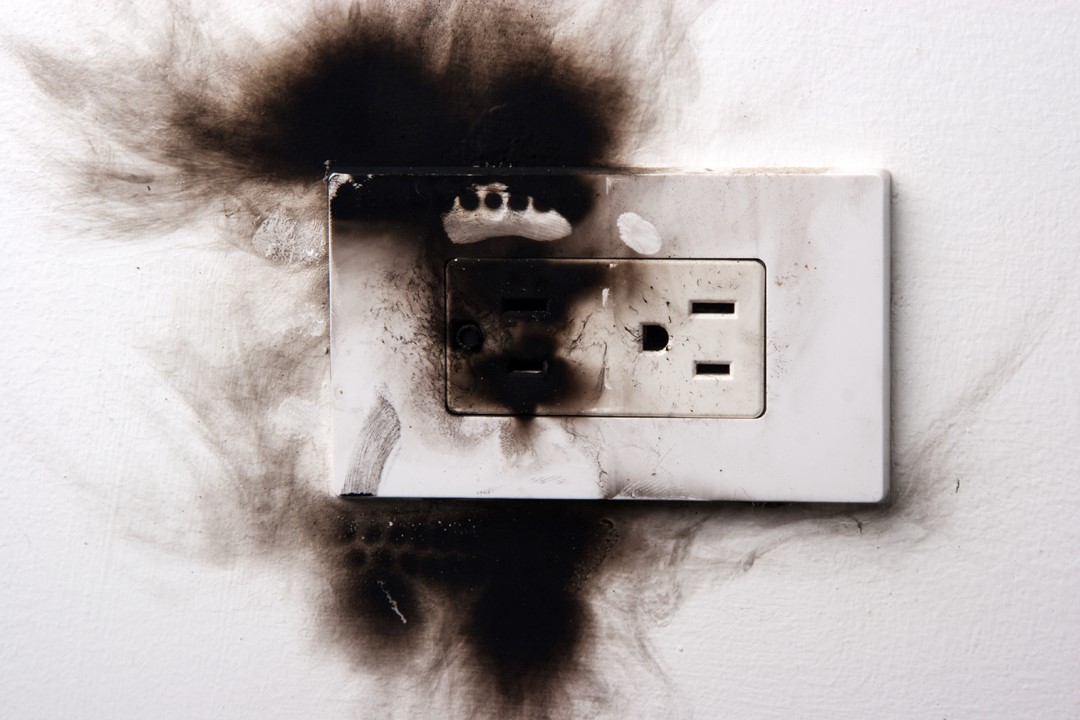
It is impossible to monitor for issues because warning signs rarely occur before an aluminum wiring failure. All homes wired with aluminum wiring should be checked for problems at these connection points by electrician professionals. We have found many problems with the connections that are made with the aluminum wiring to lights, receptacles and switches that can potentially create house fires.

Modern Alternatives to Aluminum Wiring
There are three main options if you have dangerous aluminum wiring connections in your home:
- COPALUM connectors: This specialized connector, the COPALUM connector, replaces the ends of aluminum wires at each outlet connection. They are stable and reliable, but do not address problems in the wire itself. Installing COPALUM connectors needs to be done by a certified COPALUM Retermination Contractor who has technical training and tools.
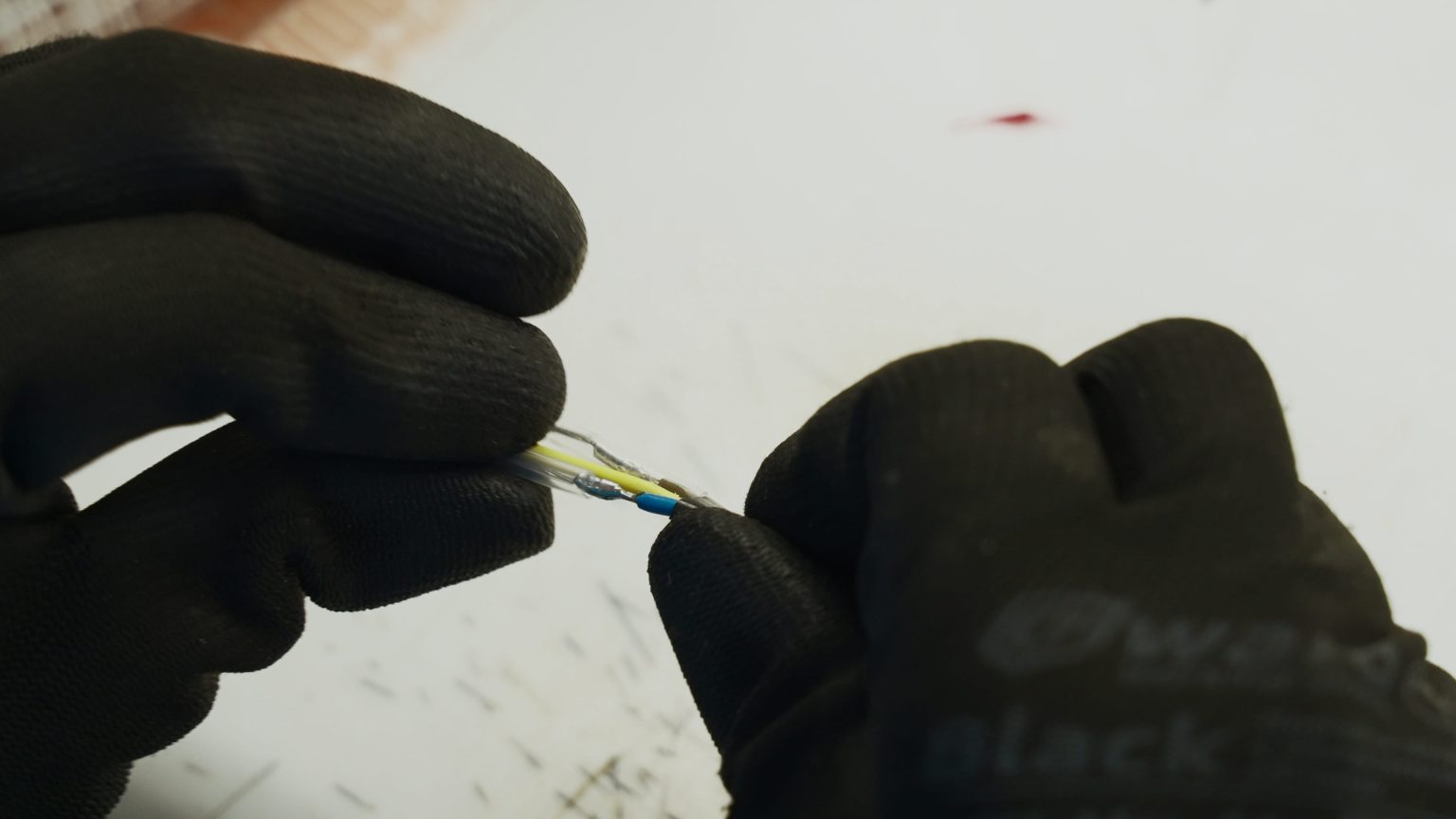
- AlumiConn connectors: Are AlumiConn connectors safe? AlumiConn is a specialized connector that pigtails aluminum wires to copper wires at the start and end of every wire, so the copper material makes the connections. This work can be completed by any electrician.
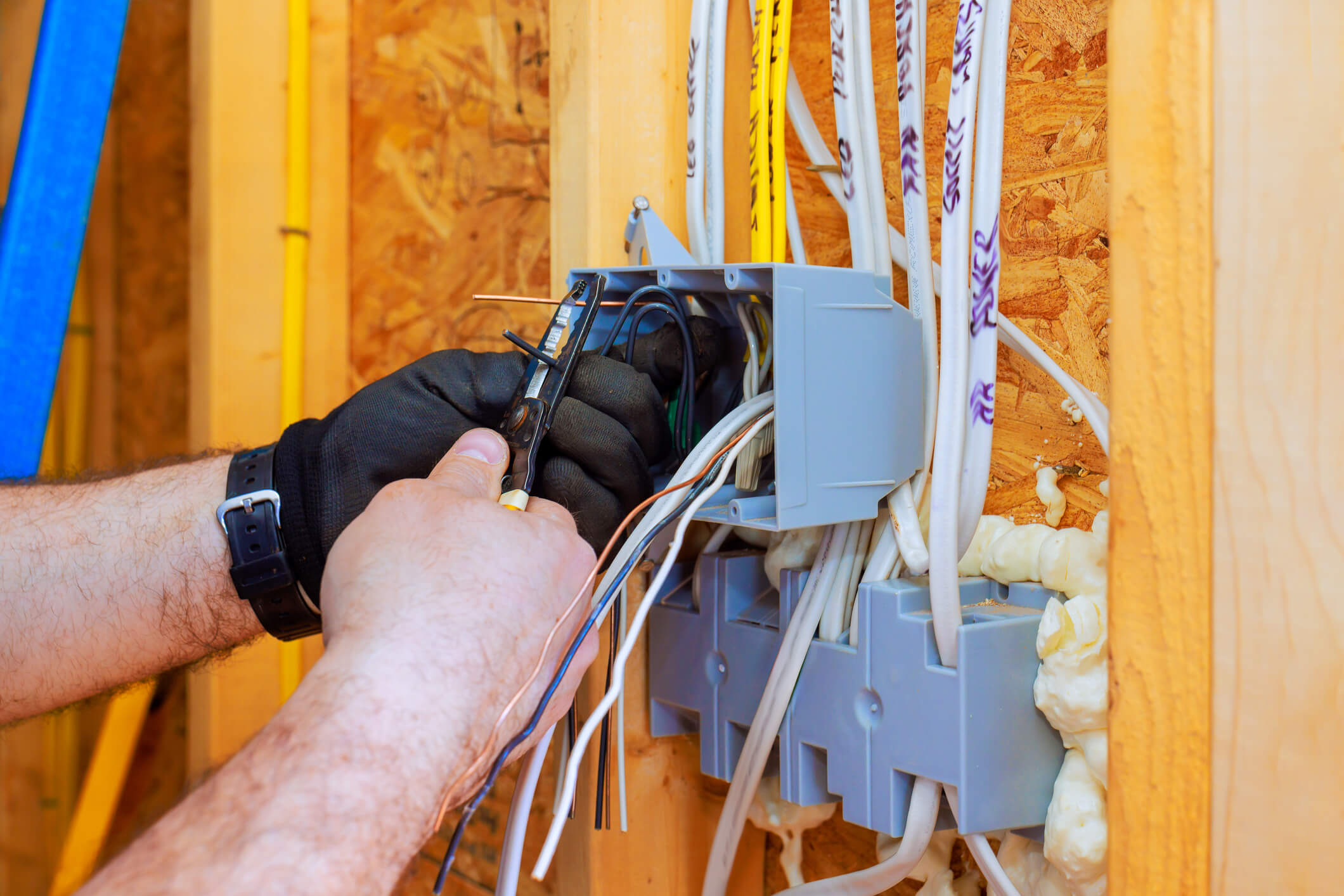
- Completely replace aluminum wiring: Replacing your aluminum wiring is the best way to eliminate the hazard. Aluminum wiring replacement in Raleigh needs to be completed by electrician professionals.
As an aluminum wiring replacement electrician in Raleigh, Wiretech Company uses only Consumer Product Safety Commission (CPSC) approved AlumiConn connectors at these points of connection.
We also follow the recommendation of installing arc fault circuit interrupters (AFCIs) on branch circuits with aluminum wiring. AFCIs detect arcing electrical faults to help prevent high-intensity heating and the possibility of fires.
Benefits of Replacing Aluminum Wiring
Wondering how to replace aluminum wiring? Replacing your aluminum wiring is recommended if a home inspection determines that your existing electrical system is unsafe, and repairs are not the best solution. When you switch to copper wiring, you’ll enjoy benefits like:
Because copper wiring conducts electricity better than aluminum, it can handle high currents in a smaller wire gauge size.
Copper wiring is more dense and flexible than aluminum, making it easier to install and repair and less likely to be damaged.
Copper wiring is less susceptible to corrosion than aluminum. Even if it does corrode, its performance will not be affected.
The durability of copper makes it less likely to overheat, reducing the chance of starting a fire.
Frequently Asked Questions
Aluminum wiring, particularly the type used from the mid-1960s to the mid-1970s, presents several issues. It’s a less effective conductor than copper, necessitating the use of larger gauges. It’s also more prone to damage during installation and expands/contracts significantly with temperature changes, which can loosen connections and lead to overheating.
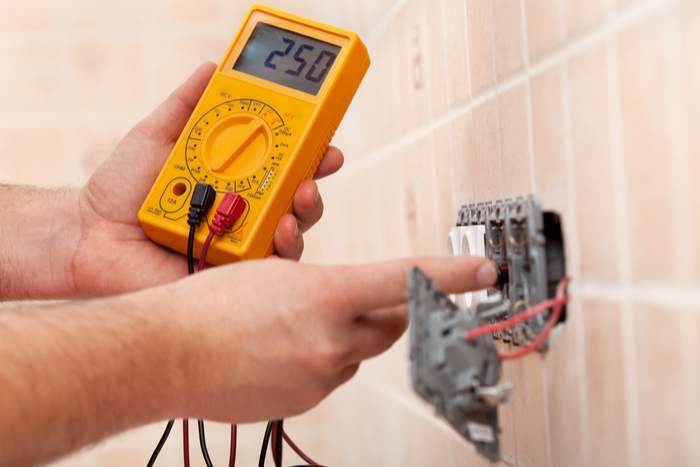
If your home was built between the mid-1960s and mid-1970s, there’s a higher chance it might have aluminum wiring. The wiring is usually marked with the word “aluminum” or an abbreviation like “AL.” It’s best to have a professional electrical inspection to confirm and assess the safety of your wiring. You can call Wiretech Company at 919-847-1617.
While complete replacement with copper wiring is the most effective solution, there are alternatives. COPALUM connectors can replace the ends of aluminum wires at connections, providing a stable connection. AlumiConn connectors are another option, which involve pigtailing aluminum wires to copper wires. However, these options do not address any issues within the wire itself.
Replacing aluminum wiring with copper offers several benefits, including greater conductivity, which allows for smaller wire gauges. Copper is also more durable and flexible, making it easier to install and less susceptible to damage. Additionally, copper is less prone to corrosion and overheating, reducing the risk of electrical fires.
Arc fault circuit interrupters (AFCIs) are designed to detect arcing electrical faults, which are a common hazard with aluminum wiring due to loose connections. By detecting these faults, AFCIs help prevent high-intensity heating and the potential for fires, adding an extra layer of safety to homes with aluminum wiring. Wiretech Company recommends installing AFCIs on branch circuits with aluminum wiring.
Related Posts
Get Professional Aluminum Wiring Replacement in Raleigh
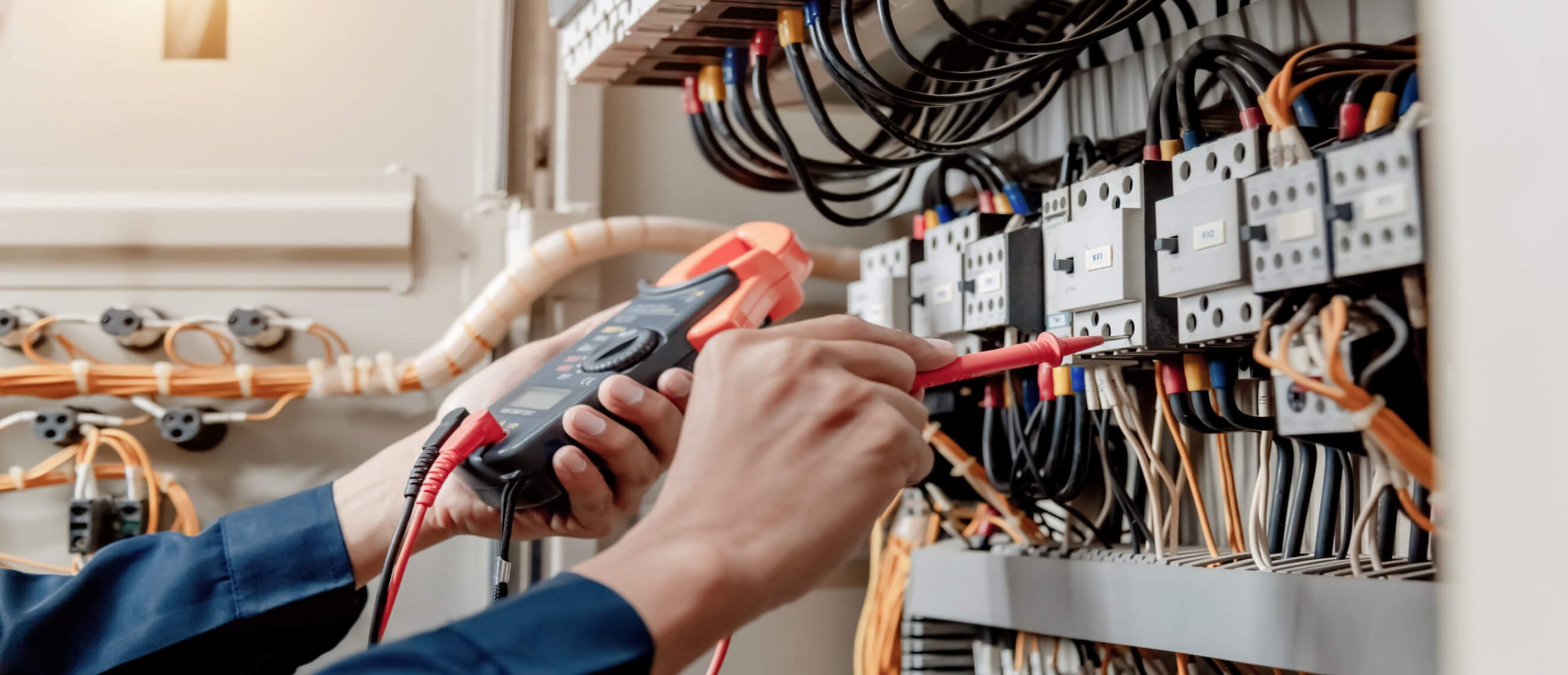
Aluminum wiring replacement services for older Raleigh area homes from the mid-1960s to the mid-1970s are highly recommended. Wiretech Company owner Mike Jones and his crew have decades of experience upgrading aluminum wiring and other electrical components and systems in old homes in the Raleigh area. Their in-depth knowledge of the challenges in upgrading the circuitry and wiring in older homes is unmatched by any other electricians in the area.
Aluminum wire replacement is critical if your house is from that time period. You should call Wiretech Company for an electrical safety inspection to check your house for aluminum wiring terminations and make sure they’re properly installed and safe.