How to Deal With Aluminum Wiring
Discovering aluminum wiring in your home can be unsettling, but it’s not surprising, considering homes built between the mid-1960s and early 1970s often used this type of wiring. Many homeowners worry about the safety implications, and rightfully so. The cost-effective wiring alternative to copper turned out to be a greater safety risk.
The Franklin Research Institute conducted a survey for the U.S. Consumer Product Safety Commission (CPSC), which found that homes with aluminum wiring are 55 times more likely to experience fire hazards than those wired with copper. This guide explains how aluminum wiring could be harmful, the signs of wiring issues and why professional service is the best choice.
Is Aluminum Wiring Safe? Understanding the Risk
Aluminum wiring can function properly, but it is not considered safe due to the associated risks. The problem is not with the wire itself but what happens where it connects to switches, outlets and other wires in your home. These connection points are the most vulnerable to wear and failure, especially as the years go by.
The main reasons aluminum wiring is considered a safety hazard include:
Expansion and Contraction
Aluminum has a much higher rate of expansion and contraction than copper. Whenever electrical current passes through your home’s aluminum wiring, the wires heat up and expand, then cool and contract once the electricity stops flowing. Over time, the continuous shifting causes connections to loosen at outlets, switches and fixtures.
Oxidation
Aluminum reacts more readily with oxygen than copper, leading to oxidation at the wire’s surface. While a thin layer of oxidation on copper isn’t problematic, aluminum heats up as it oxidizes, increasing its resistance and leading to more oxidation. As a result, the wiring can reach high temperatures and potentially cause electrical fires if left unaddressed.
Softness
Aluminum is a softer, more malleable metal compared to copper. That means it’s more prone to damage, nicking or deforming under pressure. Issues caused by softness can lead to loose connections, overheating and significant aluminum wiring fire hazards.
How to Know If You Have Aluminum Wiring
If your home was built between the mid-1960s and early 1970s, it may contain aluminum wiring. Identifying aluminum wiring early can help you avoid serious electrical hazards and give you peace of mind. Here are a few ways to tell if you have aluminum wiring:
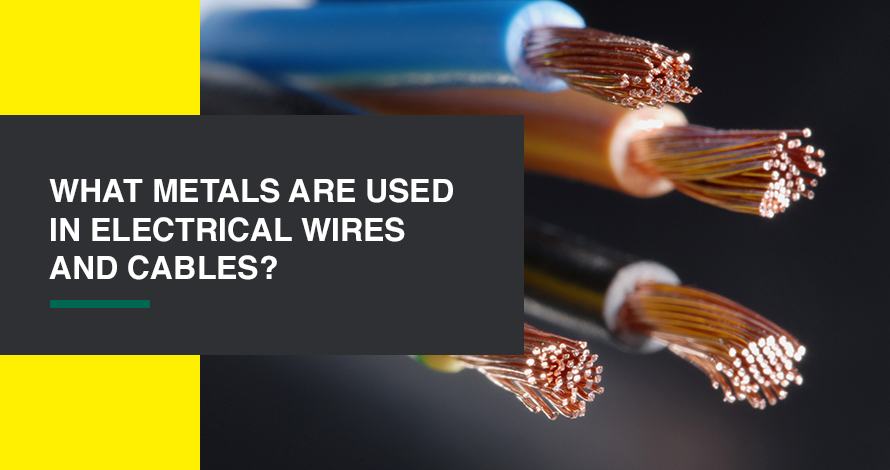
- Check the wiring color: Aluminum wiring generally appears dull gray, while copper is reddish-brown. However, wiring color is not foolproof since many wires are insulated.
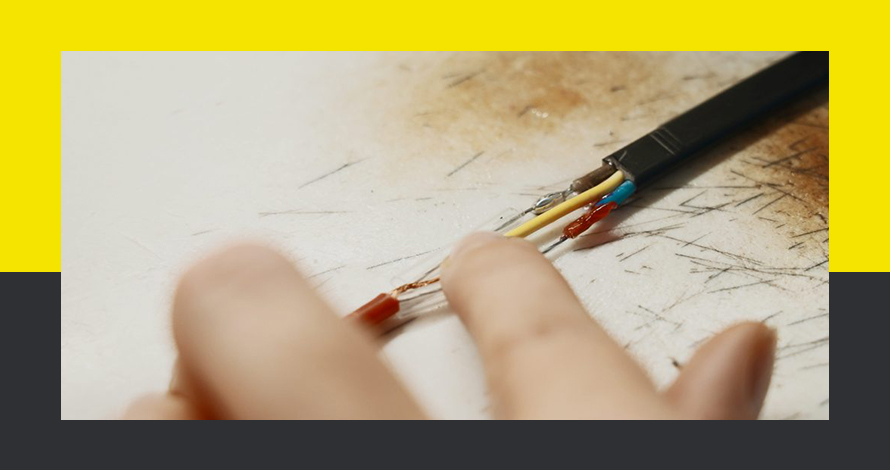
- Look for wiring labels: In unfinished areas of your home, such as basements or attics, inspect exposed electrical cables for labels. Aluminum wiring is often labeled as “aluminum”, “ALUM” or “AL” on the plastic wire jacket.
- Inspect the electrical panel: The electrical panel is the easiest place to find exposed wiring during a visual inspection. You should see an exposed wire at the main outputs, leading off of each breaker or fuse.
Signs You May Need Aluminum Wiring Replacement or Repair
Spotting the warning signs of aluminum wiring problems early is critical for your safety. Since the wiring is more prone to failure at its connection points, many symptoms signal trouble in your home’s electrical system. Keep an eye out for:
- Flickering or dimming lights
- Warm or discolored outlets and switch plates
- Frequent circuit breaker trips or blown fuses
- Sizzling or cracking sounds
- Burning plastic smell
If you notice any of these issues, call a licensed electrician for a professional aluminum wiring inspection and refrain from attempting a DIY fix.
Why You Should Never Attempt DIY Aluminum Wiring Repair
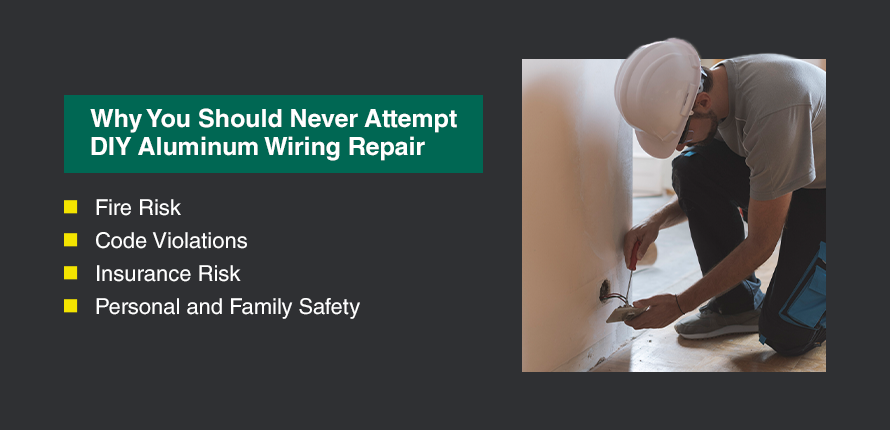
When it comes to aluminum wiring repair, safety and code compliance are critical. Unfortunately, well-intentioned DIY attempts can easily make a hazardous situation far worse. Here’s why you should always leave aluminum wiring repairs to licensed, professional electricians:
Fire Risk
Unlike copper, aluminum wiring is far more sensitive to poor connections. Even minor DIY mistakes, such as inadequate tightening, improper connectors or the use of generic parts, can dramatically increase the risk of overheating. Over time, this can lead to arcing or sparking inside your walls, potentially causing house fires.
Code Violations
Electrical codes, such as the National Electrical Code® (NEC), set strict requirements for working with aluminum wiring. Attempting to perform the repairs yourself can easily violate these codes, which are designed for your protection. While the repairs may seem to work initially, they can fail under heavy electrical loads.
Insurance Risk
Insurance companies carefully track aluminum wiring risks. If you attempt a home repair that doesn’t meet code or results in a fire, your insurance company can deny your claim. You’ll be left to deal with the repairs and rebuilding costs. Even if you don’t have a fire, failing to document professional service and inspections can cause insurers to drop your coverage, increase your premiums or reject a future claim related to aluminum wiring.
Personal and Family Safety
Most importantly, improper repairs put your safety and that of your loved ones at stake. Trained electricians utilize specialized equipment and are well-versed in the latest codes, enabling them to address your aluminum wiring issues safely and effectively.
The Importance of Professional Aluminum Wiring Service
Hiring a professional for aluminum wiring inspection, repair or replacement is an investment in your household’s safety, your property value and your long-term protection.
Comprehensive Electrical Safety Inspections
Licensed technicians are trained to identify trouble beyond the obvious. They can locate hidden risks within walls, junction boxes and connection points that homeowners often overlook. Professionals also use advanced diagnostic tools, such as infrared cameras and voltage testers, to pinpoint the problem areas.
After the inspection, technicians provide a detailed report that outlines any issues, the repairs needed and code requirements. This information is also crucial for insurance purposes.
Expert, Lasting Repairs and Replacement
Professionals only use Underwriters Laboratories (UL)-listed and CPSC-recommended connectors, such as AlumiConn or Copulam, for aluminum wiring replacement and repair. They do not use outdated connectors prohibited by current codes. Electricians are also skilled at performing repairs and replacements in accordance with industry standards and techniques, ensuring that every connection is secure and safe.
While the initial cost to replace aluminum wiring may be high, it resolves critical safety hazards, lowers insurance premiums and increases property value.

Schedule Your Safety Inspection with Wiretech Company
Aluminum wiring poses serious risks, but prompt, professional attention can help protect your home and provide lasting peace of mind. By trusting experienced electricians from Wiretech Company, you can ensure your aluminum wiring is dealt with expertly.
We have proudly served Raleigh and the surrounding area since 1990. Our team has inspected, repaired and replaced aluminum wiring in numerous homes just like yours. We understand the unique challenges of older homes in North Carolina. We don’t make guesses. We inspect and test every connection to ensure your wiring is up to code. Contact us today for professional aluminum wiring inspection and service.